
CPU / Processors
Choosing the best CPU
The CPU (Central Processing Unit) is crucial in a gaming PC because it handles the core tasks that allow games to run smoothly. It processes game logic, AI, physics calculations, and manages interactions between different game elements. While the GPU handles graphics rendering, the CPU supports tasks like world simulations, NPC behavior, and managing resources for the GPU. A strong CPU ensures smooth gameplay, higher frame rates, and better multitasking (such as gaming while streaming or running background apps). For CPU-intensive games or complex multiplayer environments, a powerful CPU is essential for optimal performance.
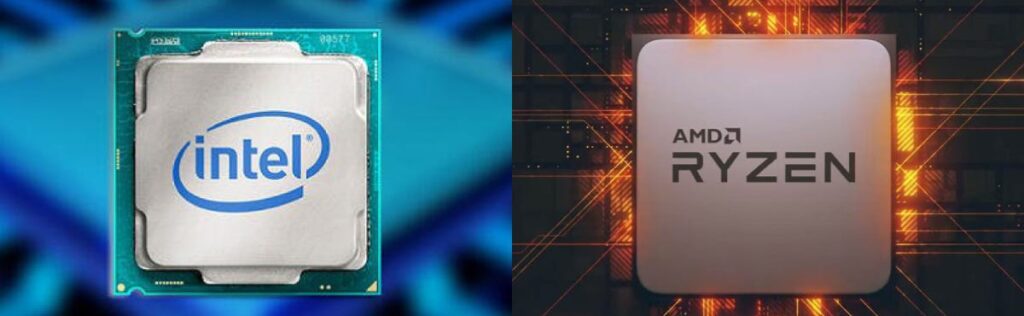
When comparing AMD and Intel CPUs for gaming PCs, both brands offer excellent processors, but they differ in terms of performance, price, efficiency, and features. Here’s a breakdown of the key differences:
1. Gaming Performance
- Intel: Historically, Intel has held the edge in raw gaming performance, especially at the highest frame rates. Intel’s latest processors, like the Core i9 and Core i7 series, often outperform AMD in games where single-core performance matters most. Intel CPUs typically have higher clock speeds, making them ideal for games that rely on fewer, faster cores.
- AMD: AMD’s Ryzen CPUs have caught up significantly and sometimes even surpass Intel in modern games, especially those optimized for multi-core processing. AMD’s high core and thread counts make them excellent for multitasking (like gaming while streaming). Ryzen chips also provide strong performance in games that utilize more CPU cores.
Verdict: Intel might have a slight edge in some gaming benchmarks, but AMD offers competitive performance, especially in multi-threaded games.
2. Price to Performance
- AMD: AMD CPUs, particularly the Ryzen 5 and Ryzen 7 series, generally offer better price-to-performance ratios, making them ideal for budget-conscious gamers. AMD often provides more cores and threads at lower prices compared to Intel, making them a great value for both gaming and productivity.
- Intel: Intel processors tend to be priced higher, especially in the high-end segment. However, Intel has been adjusting its pricing to remain competitive with AMD. For gamers focused purely on performance, Intel can be worth the extra cost, but for those on a budget, AMD typically offers better value.
Verdict: AMD provides a better price-to-performance ratio, especially in mid-range and multi-core-heavy applications.
3. Core and Thread Count
- Intel: Intel’s mainstream gaming CPUs (like the Core i5 and i7) generally have fewer cores and threads compared to similarly priced AMD Ryzen CPUs. However, they compensate with higher single-core performance, which benefits many older or less-optimized games.
- AMD: AMD Ryzen CPUs are known for having more cores and threads, even at lower price points. For instance, the Ryzen 9 series offers up to 16 cores and 32 threads, making them excellent for multitasking, streaming, and other CPU-intensive tasks besides gaming.
Verdict: AMD tends to offer more cores and threads, which is useful for multitasking, while Intel focuses more on single-core speed for gaming.
4. Power Efficiency and Heat
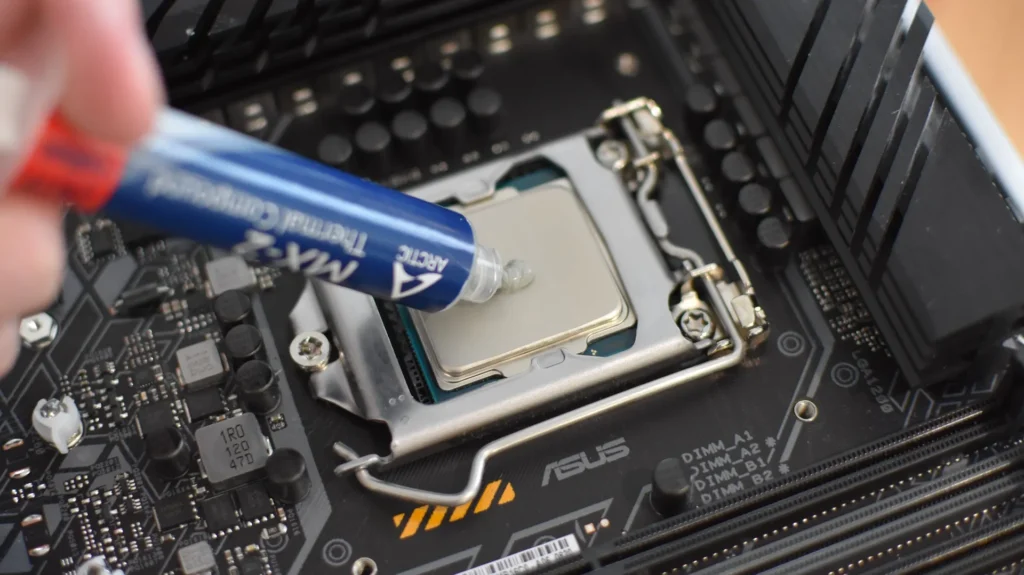
- Intel: Intel CPUs, particularly the high-performance models, tend to consume more power and generate more heat. This can require better cooling solutions, especially if you’re overclocking.
- AMD: AMD Ryzen CPUs are generally more power-efficient, especially with the newer Zen 4 architecture. This can translate into lower power consumption and less heat production, making it easier to cool.
Verdict: AMD typically offers better power efficiency, while Intel can run hotter and may require better cooling.
5. Overclocking
- Intel: Intel offers unlocked CPUs (denoted by a “K” in the model name, like the i9-13900K), which can be overclocked for additional performance. Intel processors generally offer more stable and predictable overclocking, but higher heat output can be a limitation.
- AMD: AMD’s Ryzen CPUs also support overclocking, but they tend to be more power-efficient, so gains from overclocking might not be as large. However, AMD’s Precision Boost and PBO (Precision Boost Overdrive) features automatically boost performance without the need for manual overclocking.
Verdict: Both Intel and AMD offer overclocking, but Intel generally allows for more aggressive overclocking potential, though it can run hotter.
6. Motherboard Compatibility
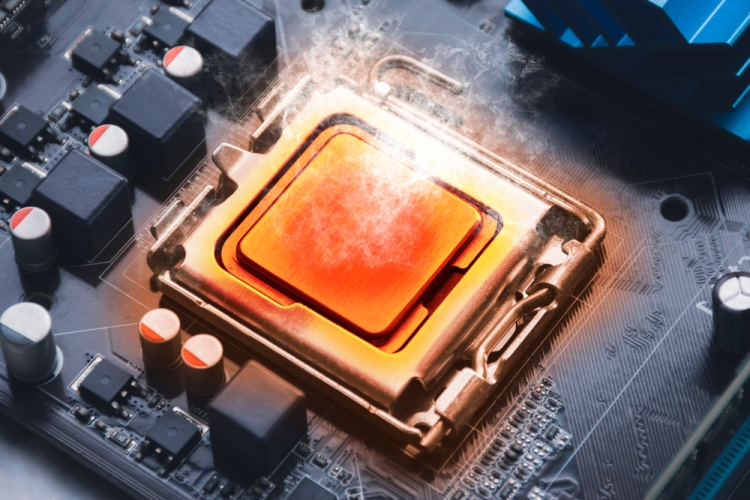
- Intel: Intel frequently changes its motherboard socket designs with new CPU generations, meaning you might need to upgrade your motherboard when switching to newer Intel CPUs. For example, the latest Intel CPUs use the LGA 1700 socket, but older ones used LGA 1200.
- AMD: AMD has used the same AM4 socket for several CPU generations, offering better long-term compatibility. However, with the release of Ryzen 7000 series, AMD has switched to the new AM5 socket, which will likely offer a similar long-term upgrade path.
Verdict: AMD typically offers better socket longevity, allowing for easier upgrades without replacing the motherboard, while Intel changes sockets more frequently.
7. Future-Proofing
- Intel: Intel’s newer CPUs, like the 13th-gen Core series, offer strong future-proofing, but socket changes mean motherboard upgrades will likely be needed when switching to the next generation.
- AMD: AMD has committed to providing long-term support for the new AM5 platform, meaning users can expect future CPU generations to be compatible with current motherboards, enhancing future-proofing.
Verdict: AMD may offer better future-proofing due to long-term socket compatibility.
Final Recommendation:
Choose AMD if you want better price-to-performance, more cores for multitasking, superior power efficiency, and long-term upgradeability with the AM5 socket. Ryzen CPUs are also great if you’re looking to do more than just gaming, like streaming or content creation.
Choose Intel if you prioritize slightly higher gaming performance at top-tier frame rates, aggressive overclocking potential, and don’t mind paying a premium for the highest-end gaming experiences. Intel CPUs are ideal for gamers focusing purely on maximizing frame rates in games that benefit from high single-core performance.